• Skip to main content
  • Skip to primary sidebar
  • Skip to footer
Peak Performance Fitness

Lynbrook | New Hyde Park | NY

  • Home
  • Why Peak Fitness
    • About Us
    • Meet Our Team
    • Our Facilities
    • Testimonials
  • Our Programs
    • Weight Loss Program
    • Personal Training
    • Sports Specific Training
    • VO2 / RMR Analysis
    • InBody Body Composition Analysis
    • ACL Rehabilitation
    • Classes / TRX Training
    • Golf Fitness & Performance Program
    • Insurance Reimbursement
  • Free Trial
  • Contact
  • Blog
  • Gift Certificates
  • Physical Therapy Center
  • Home
  • Why Peak Fitness
    • About Us
    • Meet Our Team
    • Our Facilities
    • Testimonials
  • Our Programs
    • Weight Loss Program
    • Personal Training
    • Sports Specific Training
    • VO2 / RMR Analysis
    • InBody Body Composition Analysis
    • ACL Rehabilitation
    • Classes / TRX Training
    • Golf Fitness & Performance Program
    • Insurance Reimbursement
  • Free Trial
  • Contact
  • Blog
  • Gift Certificates
  • Physical Therapy Center

weight loss

Peak Performance is Better than the Average Commercial Gym

May 11, 2016

We talk about Peak Performance Fitness being different from your normal health club or gym. But what really makes it better? Check out our list of what makes Peak unique!

turf cardio

  1. Guided and Personalized Workouts.  Unlike commercial gyms, the exercise physiologists at Peak Performance create exercise prescriptions for you, based off of your fitness goals as well as any orthopedic and medical conditions. These exercise programs are updated regularly to progress the individual along their fitness journey.
  2. Safety First. While you are working out there are always fitness professionals watching to make sure you are doing exercises correctly. Also if you have any questions at all, exercise physiologists are always available to help.
  3. Never Wait. There is never a wait to use machines Peak Performance, we always have cardio and strength machines available at any time of the day!
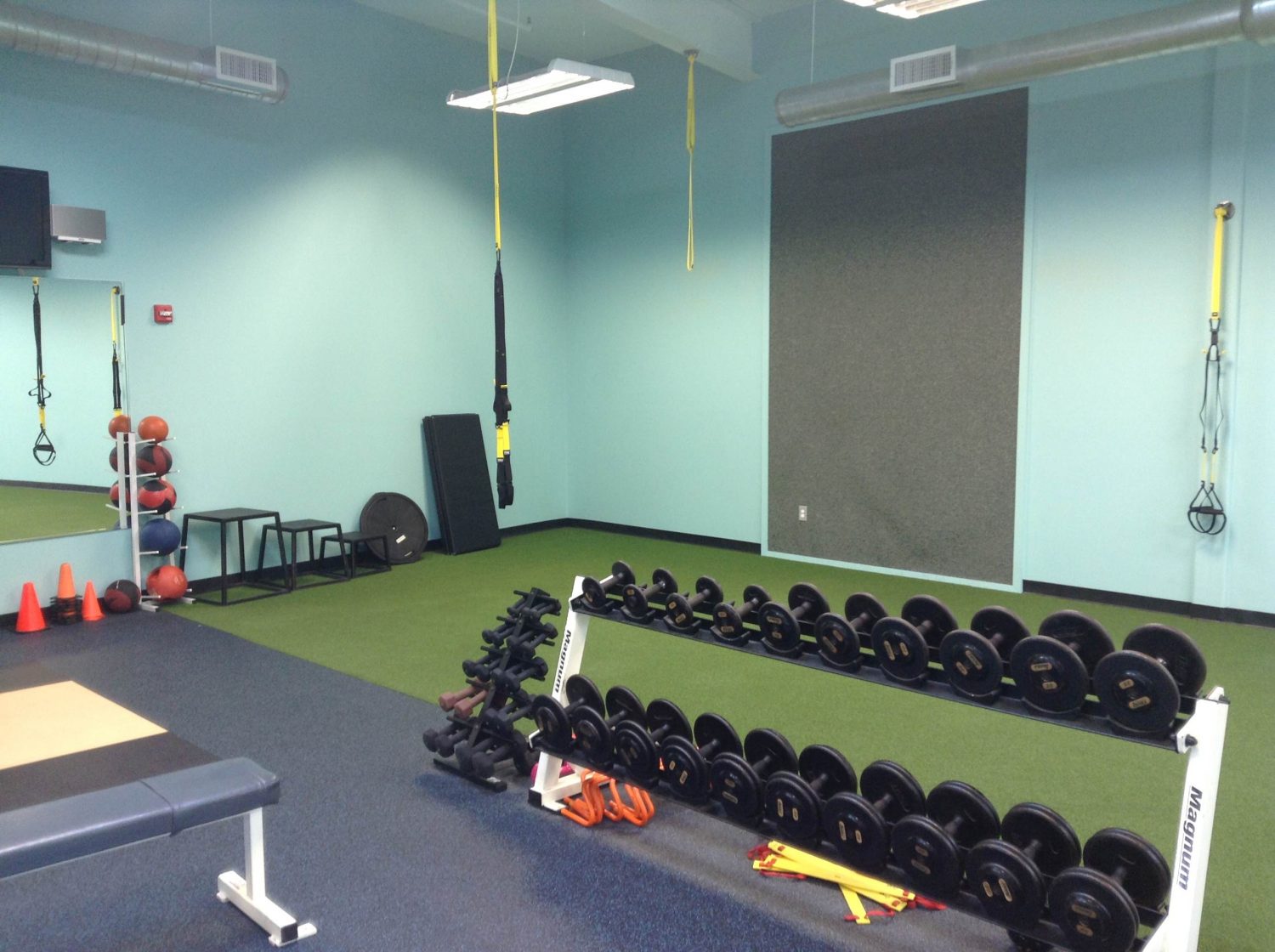
  4. Specialized Equipment. Most commercial gyms do not have a turf, sleds, an Olympic weight lifting station, TRX or specialized physical therapy equipment. At Peak Performance we go out of our way to make sure all individuals have the right equipment whether you are an athlete or physical therapy patient trying to start up an exercise program again.
  5. Comfortable Setting. The setting at Peak Performance has a family-like atmosphere. Everyone is always friendly, cheering you on and looking out for each other. There is also no pressure if you are a novice to exercise and there are no grunting “meatheads” to scare you away.
  6. Specialized Programs. Here at Peak we have many specialty programs such as sports specific training for individuals and teams. We also have different weight loss programs to help you achieve you ultimate fitness goals!

Filed Under: News Tagged With: Exercise, Fitness, goals, physiologists, sports performance, weight loss

What is My Ideal Percent Body Fat?

April 19, 2016

We often speak with clients about their body composition and how it can be improved. As a part of our Weight Loss Program, not only do we record changes in body weight, but body composition, too. Body composition is a term used to describe the percentages of fat, bone, water and muscle in human bodies. The simplest way to analyze this is by using a two compartment model: fat mass and fat free mass.

Body fat percentage is a measure of your fat v. fat free mass. Fat mass is calculated as the percentage of your body weight that is fat. Fat free mass is made up of everything else- muscle, bones, organs, etc. There is a certain amount of fat that is necessary for our bodies to carry out daily functions. This is called essential fat and is different for men and women. Essential body fat is about 3% for men and 12% of body mass for women. Women’s bodies require more essential fat than men because of childbearing and hormonal functions.

Body fat percentage can be calculated numerous ways, but the primary method we use at Peak is with skinfold measurements. Skinfold measurements are taken at specific locations on the body, then the numbers are plugged into a formula to give an estimated percent body fat. Body fat norms are different for men and women and change with age. It is important to note that these are simply norm charts, but you need to determine what is normal for you. Everybody is different and tracking changes in body composition is a healthy way to determine your own norm!

Be careful not to confuse percent body fat with a BMI measurement. BMI, or Body Mass Index, is a height to weight ratio, measured in kg/m^2. Your BMI categorizes this number from underweight to obese based on your height and weight. While it is a measure of body composition, the primary purpose for BMI is to classify your risk of developing cardiac or metabolic disease based off your score.

If you’re interested in knowing more about your own body composition, ask your physiologist to calculate these measurements and discuss the results!


By Louise Mills-Strasser

Filed Under: News Tagged With: body fat, Fitness, Nutrition, weight loss

Blood Pressure- What is it?

April 5, 2016

Blood pressure is the measures of forces pushing outwards on your arterial walls during both the contraction and relaxation of the heart. The top number called your systolic blood pressure is the force as blood pumps out of the heart and into the arteries. The bottom number called your diastolic blood pressure is the force while the heart rests between heart beats. Your arteries are made up of muscle and semi flexible tissues that stretch like elastic. The more force exerted on the walls, the more of a stretch results. If the tissue is stretched beyond the healthy limit repeatedly, this results in arterial dysfunction. This increase in workload and the poor contraction-relaxation coupling results in high forces on the walls, referred to as hypertension. Untreated hypertension can lead to vascular weakness and scarring which can increase your risk for stroke, aneurysms, and blood clots. Over 76 millions Americans have high blood pressure which means one in three adults will be diagnosed with it at some point.

The following are great ways to manage your blood pressure:

  • Manage Stress
  • Stay Physically Active
  • Eat a Healthy Diet
  • Maintain a Healthy Weight
  • Refrain from Smoking
  • Limit Alcohol
  • Reduce Sodium Intake

Filed Under: News Tagged With: blood pressure, health, weight loss

Member Spotlight: Mike!

March 30, 2016

After the death of a close friend at a much too young age, I decided it was time for me to get back into shape and take care of myself. I had gone from a very active lifestyle to “couch potato.” After getting my doctor’s approval, I decided it was time to join a gym. After years of driving past Peak Performance, with those weight management signs in the window, I decided to stop in and see what it was all about.

 
mike m
My initial consultation with Paul was very informative. He said if I followed the program, I would not only lose weight, but get stronger and feel better, too! My Exercise Physiologist, Louise, has been excellent. She is very knowledgeable and an excellent motivator. She developed an exercise program that took my bad back into consideration while still making me work hard to see results. In the past five months, I have lost weight, gained muscle, and actually feel much better. I am no longer a “couch potato,” but a gym regular.

The entire Peak Performance Exercise Physiology staff has been fabulous. They are friendly and willing to help you on an exercise machine or answer your questions.

To Louise and the entire staff:
Thank you for a job well done!!!

Filed Under: News Tagged With: Exercise, weight loss

Transformation Tuesday: Debra’s Story

January 26, 2016

My name is Debra Scuderi and I have been struggling with my weight for a while. I have suffered from multiple injuries and have had many other trainers before who have exacerbated those injuries.  I used to be overweight and not happy with myself until I joined the 5 Week Weight Loss Program at Peak Performance. I started to train with my exercise physiologist, Sally, and have dropped 6 pounds in a month!

debra

I am now so much happier and confident with myself. I have already lost 6 lbs and am continuing to lose weight through healthy eating and regular exercise. I have learned so much from Peak Performance! I feel great and am very lucky to have met Sally and have her help me! Thank you Peak Performance and Sally!!

Filed Under: News Tagged With: motivation, success, weight loss

Guidelines to Support Digestive Wellness

January 12, 2016

  • Eat in a calm, relaxed setting. This activates our parasympathetic nervous system, also known as our “resting and digesting” system, which facilitates digestion.
  • Eat slow. This allows your body time to produce digestive secretions in the mouth and stomach and also improves our ability to determine when we have been satiated.
  • Chew your food. The mechanical action of chewing is responsible for generating saliva and alerting the stomach to prepare for food entry. Starch digestion also begins in the mouth.
  • Hydrate, Hydrate, Hydrate! Water provides the fluids that we need to complete digestion and absorption and to maintain homeostasis. In addition, people often mistake hunger for thirst, which can lead to overeating and exacerbate health conditions.
  • Boost your mineral intake. People are often deficient in minerals like magnesium, chromium, and zinc, which can lead to cravings and poor blood sugar regulation.
  • Include protein at each meal. Protein digests at a slow rate thus your blood sugar is more likely to remain in balance. Protein is broken down into amino acids and used to make neurotransmitters like serotonin and beta-endorphins. These neurotransmitters help to create energy, regulate moods, reduce physical and emotional pain, and encourage relaxation.
  • Include healthy fats. Fat has been associated with negative results but fat has many health benefits. Quality fats help to balance blood sugar and hormones, help absorb fat soluble vitamins A, D, E, K and calcium, create cellular membranes, support brain health, and so much more. Some sources of healthy fats include avocado, nuts, seeds, coconut oil, olives, fish oil.
  • Eat with the seasons. Eating foods that are in harmony with nature help us to adapt to climate changes and remain healthy. During the winter, make sure you consume warming foods that include soups, broths, root vegetables, winter greens, squashes, mushrooms, and pears. Now is the perfect time to include those soups and stews made with immune supporting broth and vegetables.


By Pamela Geisel

Filed Under: News Tagged With: digestion, Nutrition, weight loss

Turning Your Resolutions into SMART Goals

January 5, 2016

January is the time of year when we set resolutions. The phrase “new year, new me” is a common mantra. It’s great to set new expectations for yourself; whether it is to commit to a new hobby, cooking healthier meals, spending more time with your kids, or deciding to lose weight. When it comes to making a New Year’s Resolution, broad or general statements may not be enough. How often do we find ourselves falling off track by February 1st?? One way to help you stick to your resolutions is by writing out your goals. Creating SMART goals is an effective method to create a plan of attack. Read on for step-by-step instructions to turn your resolutions into SMART goals!

  • Specific
  • Measureable
  • Attainable
  • Realistic
  • Time-Oriented

Specific
Specific is the What, Why, and How of the S.M.A.R.T. model. Goals should be written out clearly and simplistically to emphasize these points.

Basic Example: “I want to lose weight”

SMART: “I want to lose 10 lbs. by February 15, 2016 by exercising at Peak 3 days per week for 1 hour and logging my food in my nutrition journal daily.”

Measurable
Goals should be measurable so there is hard evidence that you have accomplished the goal. Using the SMART goal above for this example, the goal can be measured by February 15th. The essential measurement is whether or not this client loses the 10 lbs. by February 15th.

Attainable
Goals should be achievable; they should push you a bit so you feel challenged, but well-defined enough so that you can attain them.

Using the example from above, this client wants to lose 10 lbs. in about a 6 week time frame. After speaking with your Exercise Physiologist, you have learned that healthy weight loss is 1-2 lbs. per week. Committing to exercising and utilizing a food journal are the “How” of the SMART model.

If you plan your steps wisely and establish a reasonable timeframe, you should be able to carry out those steps. On the other hand, if a goal is impossible to achieve (i.e. the client wants to lose 30 lbs. in the same time frame), you may not try to accomplish it.

Realistic
Ask yourself if the goal is realistic. In reference to the client and their weight loss goals, we have discussed how the goal itself is realistic within the specified time frame.

Another consideration might be if the goal is realistic for this client. Have they spoken with their doctor? Are they committed to exercising at least 3 days per week? Do they carry their food journal to work or school?

Time-Oriented
When are you going to achieve this goal? What can you do in the next six weeks? What are you going to do today? Today you can commit to exercising and tracking your nutrition.

Short terms goals are the building blocks of our long-term goal. If the client’s ultimate goal is to lose 30 lbs., the long term goal should then be set in an attainable time frame, for example a 16 week period. Along the way, setting smaller goals will set you up for success!

By Louise Mills-Strasser

Filed Under: News Tagged With: goals, weight loss

So you got a FitBit… now what?!

December 29, 2015

Okay, so you got a FitBit for Christmas/Hanukkah/your birthday… now what?!
We have noticed that many of our clients received these activity trackers as a gift this holiday season. However when it comes to using your new wrist accessory, there might be a little confusion about what it can do. We put together some simple tips to help you get started. This way we can finish 2015 strong and start 2016 right on track in order to achieve our goals! All of the links on this page will take you to FitBit’s website.

What can your FitBit do?!

• Track your daily activity (how much are you moving around?)
• Record your exercise (regimented exercise like biking, walking, or pilates)
• Log your food (did you eat too much, too little or just the right amount today?)
• Record your weight (log your weight to see progress over time)
• Monitor your sleep (did you get 8 hour or toss and turn?)

How do I set myself up?
Start here! From this page you can download the program for your computer or on your phone or tablet via an app. The setup page will guide you step by step to get started using your FitBit.

Simple setup directions for setting dominant wrist, goals, calls, and silent alarms are here! But, if you have additional questions about setting up your tracker, refer to this link!

All of your daily stats are displayed in your dashboard. You can find this by logging into your account on FitBit’s website or opening the app on your phone or tablet.

Goals! Everyone has goals whether we want to become more active, lose weight, eat more vegetables, or run a faster mile. Everyone is different! You can customize your FitBit to help you achieve your goals. Maybe 10,000 steps a day is a breeze because of your commute- try shooting for 12,000. Maybe climbing 10 flights of stairs seems too tall- start at 5 flights and work your way up. Set your goal for a certain number of: Steps/Day, Very active minutes, Floors climbed, or Calories burned.

Track Activity/Exercise
While your FitBit will automatically track your steps throughout the day, you can log exercise manually or record it by starting the timer.
For more information on using the Exercise Mode, click here! Or if you forgot to wear your tracker, you still get credit for your exercise! Use this link to learn how to manually track exercise.

Log Food
Nutrition and exercise go hand in hand when it comes to being healthy. Help keep yourself on top of that New Year’s Resolution by logging your breakfast, lunch, and dinner. FitBit gives you a simple layout for monitoring your nutrition:
• An estimate of your daily calorie consumption (logging the foods you eat and quantity)
• A readout of the number of calories you have burned and eaten so far in the day (all those steps expended calories and your breakfast, lunch & dinner fuel your body)
• A real-time comparison of the calories you’ve consumed in your diet versus those you’ve burned through activity (calories in v. calories out)
• Feedback about whether you are under, within, or above your plan’s recommendation (based on your personal goal to lose, gain, or maintain your current weight)
You can manually enter the foods you eat, search the database to find a product, or scan an item’s bar code to add the nutritional information.

For more information about tracking calories and setting a weight goal, use this link. To learn how to scan the bar code of an item (i.e. a cereal box or yogurt container), use this link!

Challenge your friends!
Our favorite part of exercising is doing it with a friend. Having a workout partner (virtual or walking next to you) can provide that extra push to keep going. You can add friends by syncing contacts from your cell phone, linking your FitBit to Facebook, or adding them by email address. Adding friends gives you a little more motivation whether it’s cheering each other on or challenging one another in a daily step challenge! Your Exercise Physiologists, Pam & Louise, are using their FitBits- ask to be their friend! (They’ll give you a tough challenge 🙂 )

For even more information about getting the most out of your new fitness tracker, check out this article published by Time.

UPDATE! We started a FitBit group for our Peak members to join! It’s called Peak Performance Fit(ness)Bit. Login to your FitBit account then use the following link to find us https://www.fitbit.com/group/22PKJ3


By Louise Mills-Strasser

Filed Under: News Tagged With: Exercise, goals, physical activity, weight loss

  • « Go to Previous Page
  • Page 1
  • Interim pages omitted …
  • Page 57
  • Page 58
  • Page 59
  • Page 60
  • Go to Next Page »

Primary Sidebar

Recent Posts

  • RECIPE OF THE WEEK: FIRECRACKER SALMON WITH PEACH AVOCADO SALSA
  • RECIPE OF THE WEEK: GRILLED STEAK KEBABS
  • RECIPE OF THE WEEK: WATERMELON PIZZA
  • RECIPE OF THE WEEK: TURKEY QUINOA CHILI
  • RECIPE OF THE WEEK: LEMONY PARSELY BAKED COD

Categories

  • News
  • Recipes

Get Started: (516) 548-7443 | fitness@peakptfitness.com

Footer

Peak Performance Fitness

  • Home
  • Why Peak Fitness
  • Programs
  • Free Trial
  • Contact
  • Blog
  • Gift Certificates
  • Physical Therapy Center

Our Programs

  • Weight Loss Program
  • Personal Training
  • Sports Specific Training
  • VO2 / RMR Analysis
  • Classes / TRX Training
  • ACL Rehabilitation Program
  • Insurance Reimbursement

225 Merrick Road
Lynbrook, NY 11563
USA

T +1 (516) 548-7443
T +1 (516) 599-8734
F +1 (516) 887-0803
E fitness@peakptfitness.com

Mailing List Signup

Join our mailing list to stay up to date on the latest news, events and exclusive offers!

Join Us Online

  • Facebook
  • Instagram
  • Twitter

Peak Performance Fitness | Visit the Peak Physical Therapy Center
Lynbrook: 225 Merrick Road, Lynbrook, NY 11563
Copyright © 2026 Peak Performance Fitness